
The historical evolution of gambling From ancient rituals to modern casinos
Origins of Gambling: Ancient Civilizations
The practice of gambling can be traced back thousands of years, with evidence emerging from ancient civilizations such as China, Egypt, and Mesopotamia. In these societies, games of chance were often intertwined with religious rituals and social events. Ancient Chinese records, dating back to around 2300 BC, mention the use of rudimentary dice, highlighting the early human fascination with fate and luck. Similarly, the Egyptians utilized betting in various forms, including betting on the outcomes of games and even on the results of battles, showcasing gambling’s deep roots in human culture. Today, you can find the best betting sites with free bets to explore various options and features in greater detail.
The Mesopotamians, particularly in regions like Babylon, also engaged in early gambling practices. Archaeologists have discovered clay tablets with inscriptions that suggest the existence of games similar to modern dice games. These ancient games often had spiritual significance, serving as methods to invoke the favor of deities or to predict the future. Such activities revealed that gambling was not merely a pastime, but an essential component of social and religious life.
As civilizations progressed, so did the complexity of gambling. By the time of the Roman Empire, betting on gladiatorial games became a popular form of entertainment. Citizens placed wagers on their favored gladiators, adding an element of personal investment to public spectacles. This evolution reflects how gambling transitioned from sacred rituals to a widely accepted social activity, setting the foundation for future developments in gaming culture.
The Middle Ages: Gambling in Society
The Middle Ages marked a significant shift in gambling practices across Europe. During this period, games like chess and various card games began to gain popularity among the nobility. The emergence of playing cards in the 14th century, believed to have originated in Asia, revolutionized the gambling landscape. Unlike dice games, card games allowed for strategic thinking and skill, leading to varied formats and rules that continue to evolve today.
In addition to card games, the Middle Ages saw the establishment of gambling houses, which were precursors to modern casinos. These venues were often informal gatherings in taverns or private homes where people could participate in games of chance. The Church’s stance on gambling was often contradictory, oscillating between outright condemnation and tacit acceptance, as it recognized the economic benefits of regulated gaming. This ambiguity contributed to the growth of gambling as a social activity among different classes.
Moreover, the development of lotteries during the Middle Ages played a crucial role in funding public projects and charitable endeavors. Governments organized these lotteries, and they became an integral part of societal structure, demonstrating how gambling evolved into a means of community support. This period laid the groundwork for the formalization of gambling as an industry, leading to the establishment of more regulated forms of gaming in the centuries to follow.
The Renaissance and the Birth of Modern Gambling
The Renaissance brought with it a wave of innovation and change, including in the realm of gambling. The invention of the printing press in the 15th century made gambling literature widely available, increasing public interest in various games and betting strategies. The rise of the casino during this time, particularly in Italy, marked a pivotal point in the history of gambling. The first official casino, the Casino di Venezia, opened its doors in 1638, providing a formal venue dedicated to gaming.
This period also saw the emergence of gambling as a mainstream entertainment option. Games like baccarat and faro became highly popular among the European elite, with sophisticated rules that attracted a wealthier clientele. The inclusion of women in these social spaces marked a shift in societal norms, as casinos became seen as cosmopolitan places for socializing. This change highlighted how gambling was not only about chance but also about social status and connection.
Additionally, the introduction of the roulette wheel in France during the 17th century added a new layer of excitement to gambling. This game combined elements of chance and strategy, allowing players to engage in a more dynamic betting experience. The proliferation of gambling games during the Renaissance exemplified a shift from informal betting practices to well-structured games that would later evolve into the modern casino framework we recognize today.
The 20th Century: The Legalization and Globalization of Gambling
The 20th century marked a revolutionary era for gambling, characterized by widespread legalization and the emergence of the modern casino. Following the Great Depression, many governments recognized the potential economic benefits of regulated gambling, leading to the establishment of casinos in locations such as Las Vegas and Atlantic City. These cities transformed into global gambling hubs, attracting millions of visitors each year and promoting a culture of entertainment and luxury.
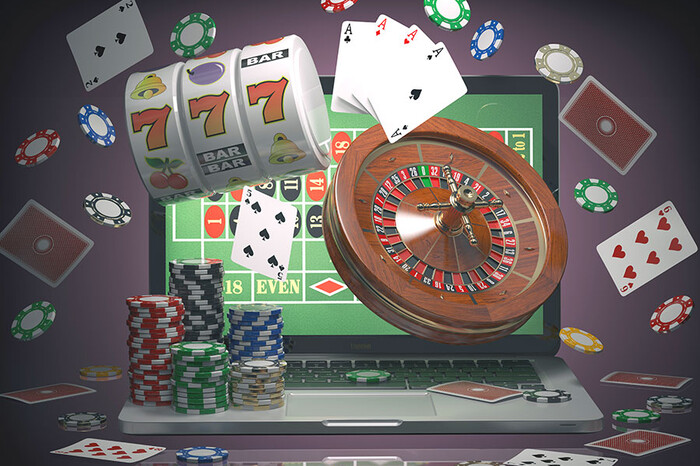
Technological advancements during this century also played a crucial role in gambling’s evolution. The introduction of electronic gaming machines in the 1960s revolutionized the casino landscape, making games more accessible and appealing to a wider audience. Furthermore, the advent of the internet in the late 20th century led to the birth of online casinos, allowing players to gamble from the comfort of their homes, significantly expanding the market.
As gambling became increasingly mainstream, it also faced growing scrutiny and regulation. Issues such as problem gambling and ethical considerations prompted governments to implement stricter regulations and promote responsible gambling initiatives. This shift signified a more mature approach to the industry, acknowledging both the benefits and potential pitfalls of gambling as a popular form of entertainment.
Today’s Gambling Landscape: Modern Casinos and Online Platforms
Today, the gambling landscape is a blend of traditional establishments and innovative online platforms. Modern casinos offer a wide array of gaming options, from classic table games to state-of-the-art slot machines, creating an immersive environment that caters to diverse preferences. The experience is often enhanced by luxurious accommodations, fine dining, and live entertainment, transforming gambling into a holistic leisure activity.
On the other hand, online gambling has exploded in popularity, with websites offering everything from sports betting to virtual poker rooms. This digital evolution allows for convenience and accessibility, enabling players to engage with their favorite games anytime, anywhere. Mobile technology has further propelled this trend, with dedicated apps facilitating seamless gaming experiences. Online platforms also employ advanced security measures to ensure safe transactions and protect player data.
As the gambling industry continues to evolve, ongoing innovations, such as virtual reality gaming and cryptocurrency transactions, are poised to shape the future of gambling. While the core appeal of games of chance remains unchanged, the industry adapts to technological advancements and societal shifts, ensuring it remains a vibrant aspect of entertainment culture worldwide.
Conclusion
The historical evolution of gambling from ancient rituals to modern casinos reveals a fascinating journey shaped by cultural, social, and technological changes. Understanding this progression highlights the significance of gambling in human society, reflecting our perpetual desire for excitement, competition, and community. As the industry continues to innovate, the future of gambling promises to be as dynamic and engaging as its storied past.
For those interested in exploring the extensive world of gambling, our website offers a wealth of resources, insights, and recommendations. Whether you’re a seasoned bettor or new to gaming, we provide comprehensive guides that simplify your decision-making process. Stay updated with the latest trends and best practices in gambling, ensuring you enjoy a thrilling and responsible gaming experience.